Disclaimer: The owners of this website may be paid to recommend Goldco or other companies. The content of this website, including any positive reviews of Goldco & other reviews, may not be neutral or independent. We may receive a commission from the companies we recommend. The content of this site is informational in nature and should not be relied upon without consulting an investment professional.
As you begin investing in precious metal coins, you are going to find some have been graded. Many collectors seek a grading service to offer certification for the extremely fine coinage they own.
The process for grading coinage is vast and many people do not understand how it works, especially if they are new to coin collecting. We are here to educate you on the process and help you understand why graded coinage is so sought after by collectors.
What does graded coins mean? You can think of grading as a way of determining the physical condition of coins. The process involves a mixture of science and artistry. Coinage is evaluated on the following attributes:
Most collectors choose to have their coinage classified because grading a coin can reveal the most minute of flaws that could change the value of a coin dramatically.
There are two third-party grading services that are most popular:
Coin grading began in the 1800s when coin collecting began rising in prominence. From its beginning until the early 1900s, there was no industry standard or grading scale.
Although numismatists recognized the need for industry standards, it was not until 1949 that Dr. William H. Sheldon created a 70-point scale that revolutionized the process of grading coinage.
In 1977, another major change took place in the coin grading industry. Abe Kosoff published “The Official ANA Grading Standards for United States Coins.” This book sought to clarify and define the numerical grade system Sheldon created years earlier.
In the book, Kosoff not only provided descriptions for each assigned grade, including MS coin grading, but also included photographs. Now, companies like PCGS and NGC had a standardized guide to help them determine the grades of circulated and uncirculated coins.
Sheldon's Grading Scale
The Sheldon Grading Scale changed the way the American Numismatic Association grades coins based on mint state. Finally, grading services and individuals had a scale that allowed them to provide a grades range for coins of all types.
The Sheldon Scale grades coinage from 1 to 70, with 70 being the best mint state. Coinage can only receive a 70 rating if they have no post-production imperfections when viewed at 5X magnification. Using this scale allows grading professionals to give a lower or higher grade based on a coin's appearance and condition.
Both of the most respected services, including PCGS and NGC, use the Sheldon system. You will find the PCGS coin grading chart lines up perfectly with the Sheldon scale.
Coinage is valued based on its condition and rarity. In the past, many coin collectors were taken advantage of by dealers because there was no grading system in place. Some collectors even purchased counterfeit coinage because they had no numerical grades to follow.
It is important to note that coin grading is essential because the same coin can vary greatly in value based on the condition. Damage and wear can cause coins to be worth far less than those that are flawless and have exceptional eye appeal.
Coin grading professional services came into effect in the 1980s. The two largest professionals have each handled over 70 million coins in the 30+ years they have been in operation.
Graders do not put a value on a coin. The grader simply gives coinage a numerical ranking and then the market decides the value of the coin and its price tag.
Many people mistakenly believe if a coin saw circulation, it is no longer valuable. This simply is not correct. Both uncirculated and circulated coins can be very valuable, depending on their rarity and condition.
It is important to realize that not all coinage increases in worth after being classified. This is one of the biggest myths about grading a coin. For instance, a basal state coin is not going to suddenly become valuable just because it has been reviewed by PCGS or NGC.
Grading simply makes minted coins easier to sell to buyers. The coin's grade is something that is important to many buyers. Are graded coins worth more? Not necessarily.
Some people have a difficult time understanding the scale used for grading. People often ask how are coins graded in quality by collectors. You can think of the process of grading coins as having three buckets.
The first bucket contains uncirculated coinage, the second bucket is for uncirculated coinage, and the third is for uncirculated mint coins. Each of these buckets of coinage is evaluated differently, with circulated coins having the widest grading scale because of increased wear.
This rating system includes the MS 60 and other grades that are meant to reflect the condition of coinage ranging from completely worn and barely recognizable to light wear.
The uncirculated mint bucket is likely to contain coinage that will get the highest points, whereas the circulated bucket coinage may receive the lowest grade because they have not been properly stored and have likely suffered damage.
Not all coins are worth your time grading. After you understand how gold coins are graded, you will realize when it is appropriate to seek a coin's grade.
Most experts agree you should only get seek grading if the cost will be less than the added value given to the coin after grading. This is something you will have to determine on a coin-by-coin basis.
It helps to have a general idea of how are gold coins graded so you can determine if the process will be worth pursuing or more of a waste of your time. How are shipwreck coins graded? Keep reading to learn more.
Before you can have your coinage graded by the likes of NGC or PCGS, you need to become a member. Annual memberships for these professionals range from $39 to $69 and increases from there, depending on the level of service required. You should also inquire about how to get coins graded for free.
The more valuable and rare a coin is, the more it is going to cost to evaluate. How are ancient coins graded? If you have a very old and rare coin, say worth $50,000, it may cost you up to $125 to receive a mint state.
It is much more practical to have expensive coinage classified and kept in a plastic holder than those with contact marks that are not very valuable. Coinage receives different grades that may or may not increase its value. You will find the greatest value when you seek grading for very valuable coinage.
If you are grading a common coin that is only worth about $150, you can expect to pay around $20 for grading. Other coins will vary in the grading cost, depending on the coin's date, rarity, and worth.
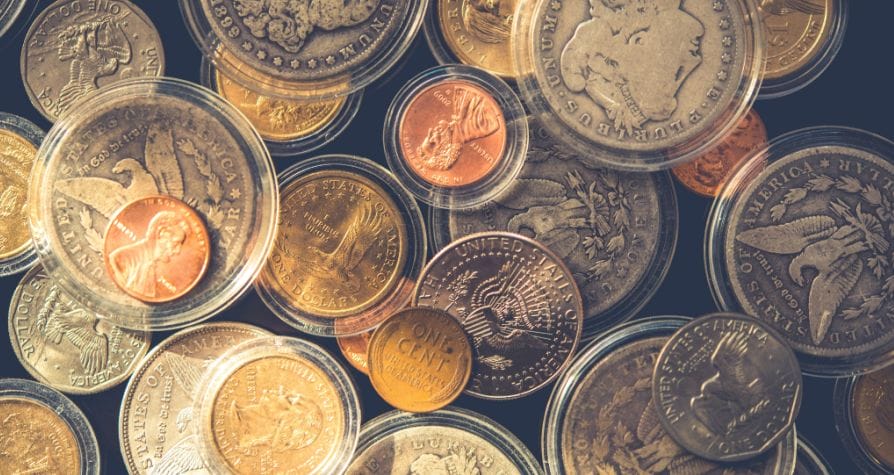
When having coinage categorized, those with absolutely no wear are going to receive high points, whereas those with contact marks may receive a lower grade. For instance, really worn coinage often receives an MS 60. First releases that are in prime condition could get a BU coin grade.
You may be wondering, “how are old coins graded or how are US coins graded?” Below, we answer your questions, including how are silver coins graded. The following are the steps involved in grading coinage:
How do you have this done? You need to send it to an expert service to ensure the process is done correctly. Now, you know how to grade Canadian coins and how are proof coins graded.
There are multiple benefits to grading, including the inspection of every central detail. Consider the following:
Once you start collecting coins, learning about the scale for grading and the process becomes crucial. We have included some of the most frequently asked questions to help you better understand coin grading and all it involves.
While some people can learn to grade coins with practice and time, most people will never be able to grade with enough precision to become professional numismatists.
While you would not want to have every coin evaluated because it would become expensive, you should always have uncirculated coins graded with a numerical grade.
You may ask, “how do I know if my coins are worth grading?” You should only pursue grading if you feel the grade could increase the value of the coin.
The highest numeric grade a coin can receive is 70, meaning it is flawless.
While you certainly can, it is wise to seek professional grading services because they are highly trained to grade coins by more than simple eye appeal alone. A grading service will give you certification for your coin, which is useful for insurance and selling.
There are three basic levels of service: regular, economy, and modern. Regular takes 100 business days, economy takes 70 business days, and modern takes 55 business days.
These vary in price according to their rarity, condition, and type. When a coin is classified, it is not necessarily of more value.
While you should not have every single coin you own graded, there are benefits to these services, including authentication and protection. If you have valuable coins, we recommend having them graded for your own peace of mind and the protection of the coin. Choose the best company to ensure the grading is done correctly.