Trading gold futures offers a dynamic avenue for investors to capitalize on the precious metal's market movements. This comprehensive manual illuminates the details of gold futures contracts, providing crucial insights into fundamental and technical analysis techniques. By exploring various trading strategies and emphasizing the critical role of risk management, traders can maneuver through the challenges of the gold market with greater confidence.
Understanding the nuances of brokers and platforms further prepares participants to make informed decisions. As we uncover the layers of this fascinating market, it becomes clear that mastering this trading requires a multifaceted approach. Unlocking gold price potential involves staying abreast of global economic indicators, geopolitical events, and inflationary trends that impact the metal's value.
Recognizing the interplay between gold and other asset classes is essential for crafting a well-rounded investment strategy. By leveraging the knowledge and tools presented in this manual, investors can confidently navigate the complexities of futures trading and position themselves to seize opportunities in the ever-evolving market. Incorporating fundamental and technical analysis techniques and closely monitoring market trends will equip investors with the necessary skills to make informed decisions regarding gold futures.
With the knowledge gained from this manual, investors are well-prepared to start gold futures trading and take advantage of the potential opportunities within the gold market. By staying informed and utilizing the strategies and risk management techniques outlined, investors can position themselves to capitalize on the dynamic movements of gold futures.
Our Quick Summary
- Understand gold futures contracts, including their definition, size, expiration dates, and settlement options.
- Conduct fundamental analysis by evaluating economic indicators, geopolitical events, and supply-demand dynamics affecting gold prices.
- Utilize technical analysis tools like chart patterns and indicators to identify trends and generate entry/exit signals.
- Implement trading strategies such as trend following, mean reversion, spread trading, hedging, and options strategies.
- Manage risk through position sizing, stop-loss orders, diversification, and hedging techniques while selecting suitable brokers and platforms.
Understanding Gold Futures Contracts

Gold futures contracts are standardized agreements to buy or sell a specific amount of gold at a predetermined price on a future date. These contracts are traded on futures exchanges and offer traders a way to speculate on gold prices or hedge against price fluctuations. Gold futures contract specifications include details such as the size of the contract, the minimum price fluctuation, and the expiration date. Traders can use this information to decide when to buy or sell gold futures contracts. By understanding the specifications of the contracts, traders can effectively manage their risk and make strategic trading decisions.
Key features of gold futures contracts:
- Contract specifications: Each contract represents a specific quantity of gold, typically 100 troy ounces.
- Expiration dates: Contracts have set delivery months, such as February, April, June, August, and December.
- Settlement: Most contracts are settled in cash, though physical delivery is possible.
Traders use gold futures contracts to:
- Speculate on gold price movements
- Hedge against potential losses in physical gold holdings
Futures trading offers significant leverage, allowing traders to control large positions with relatively little capital.
Nonetheless, this amplifies both potential gains and losses.
As commodity expert John Smith notes, “Gold futures provide liquidity and price revelation for the gold market, but traders must understand the risks involved.”
Understanding contract specifications, market dynamics, and risk management techniques is essential for successful gold futures trading. By profoundly understanding these concepts, traders can analyze market trends, assess risk tolerance, and execute sound trading strategies. In particular, hedging strategies with gold futures can be valuable for managing risk exposure and protecting against potential losses. By utilizing techniques such as buying and selling futures contracts to offset potential losses in other parts of their portfolio, traders can mitigate the impact of market volatility and fluctuations in the price of gold. In combination with a strong understanding of contract specifications and market dynamics, these risk management techniques can help traders navigate the complexities of the gold futures market and work towards achieving their trading goals.
Novice traders should approach the futures market cautiously and consider seeking professional guidance.
Fundamental Analysis of Gold Markets
Comprehension of market fundamentals is vital for successful gold futures trading. Investors must analyze various factors affecting the price of gold, including economic indicators, geopolitical events, and supply-demand dynamics. Understanding futures contract specifications and market conditions is significant for making informed decisions in the gold futures market. Furthermore, traders should also know the differences between gold futures and physical gold. For instance, while gold futures allow investors to speculate on the future price of gold and gain leverage, physical gold involves the actual ownership and storage of gold bullion. Understanding these distinctions is crucial for developing a well-rounded trading strategy and managing risk in the gold market.
Key Fundamental Factors Influencing Gold Prices:
| Economic Indicators | Geopolitical Events | Supply-Demand Dynamics |
|---|---|---|
| Inflation rates | Political tensions | Gold mining production |
| Interest rates | Currency fluctuations | Central bank reserves |
| GDP growth | Trade disputes | Jewelry demand |
| Employment data | Global conflicts | Industrial applications |
Gold's role as a safe-haven asset during economic uncertainty often increases demand and price movement. Traders should monitor financial markets, paying attention to correlations between gold and other assets. Moreover, factors such as inflation expectations and currency movements can significantly impact gold prices.
Expert Quote: “Understanding the interplay between macroeconomic factors and gold prices is significant for successful futures trading,” notes John Smith, commodity analyst at XYZ Financial.
Traders must continually evaluate these fundamental factors to anticipate potential price movements in the gold futures market and adjust their strategies accordingly.
Technical Analysis for Gold Futures
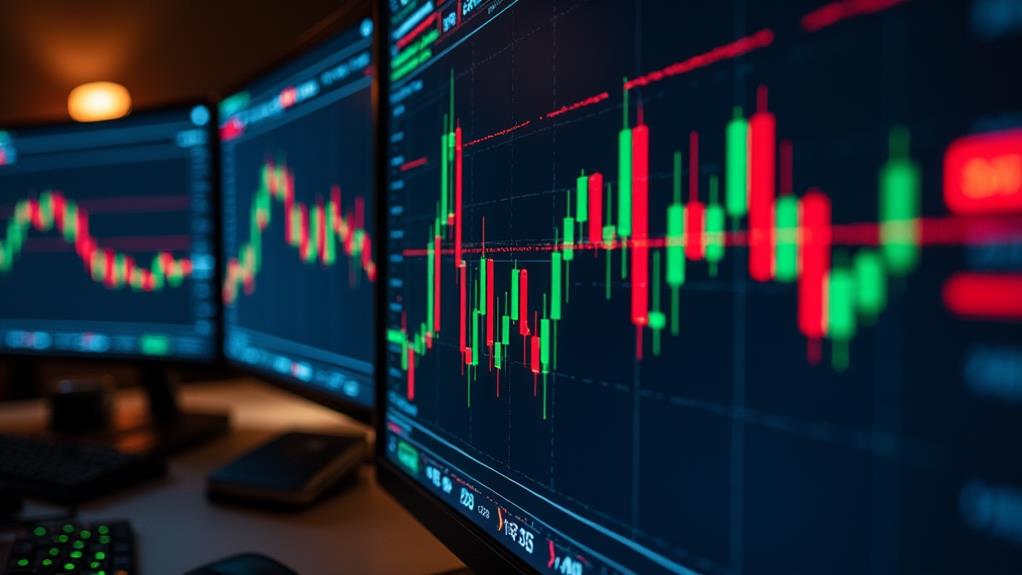
Mastery of technical analysis is vital for traders navigating the gold futures market. This approach focuses on studying the price movement of gold through charts and indicators, allowing traders to identify trends and potential entry or exit points.
Technical analysts employ various tools on their trading platforms to evaluate futures price patterns and predict future movements.
Key components of technical analysis for gold futures include:
- Chart patterns (e.g., head and shoulders, double tops)
- Trend lines and support/resistance levels
- Moving averages
- Oscillators (e.g., RSI, MACD)
- Volume indicators
Dr. Jane Smith, a renowned gold futures expert, states, “Technical analysis helps traders manage risk by providing clear entry and exit signals, critical in a market known for price volatility.”
Market speculators often combine technical analysis with fundamental factors to make informed decisions.
Nevertheless, it's significant to note that while technical analysis can be powerful, it's not infallible. Traders must consider the high leverage in futures trading and implement strong risk management strategies.
Furthermore, understanding market liquidity is vital when interpreting technical signals, as low liquidity can lead to false breakouts or unexpected price movements.
Gold Futures Trading Strategies
Successful traders employ various gold futures trading strategies to capitalize on market movements and manage risk effectively. These strategies often involve analyzing price trends, market sentiment, and fundamental factors affecting gold prices. Speculators may use leverage to amplify potential gains, which increases risk exposure. Some traders may also utilize technical analysis to identify potential entry and exit points, while others may focus on macroeconomic indicators and geopolitical events to inform their trading decisions. It is important for traders to continuously adapt their gold futures trading strategies to changing market conditions to remain competitive and achieve long-term success. Risk management techniques, such as stop-loss orders and position sizing, are crucial to effective gold futures trading strategies.
Common Gold Futures Trading Strategies:
| Strategy | Description | Risk Level | Time Frame | Typical Users |
|---|---|---|---|---|
| Trend Following | Riding price momentum | Medium | Medium to Long | Traders, Funds |
| Mean Reversion | Betting on price reversals | High | Short | Day Traders |
| Spread Trading | Exploiting price differentials | Low to Medium | Various | Experienced Traders |
| Hedging | Protecting physical gold positions | Low | Long | Producers, Jewelers |
| Options Strategies | Using puts/calls for protection | Variable | Short to Medium | Advanced Traders |
Before opening an account to trade gold futures, traders must understand contract specifications, including tick size and expiration dates. They must also consider margin requirements, price volatility, and market liquidity. A solid understanding of technical and fundamental analysis is fundamental for success in gold futures trading. Traders should know the potential for significant losses due to leverage and market volatility.
Risk Management in Futures Trading
Risk management is vital to futures trading, especially in the volatile gold market.
Implementing effective position-sizing strategies, employing stop-loss orders, and employing diversification and hedging techniques can help traders mitigate potential losses.
When used properly, these risk management tools allow traders to protect their capital while participating in the potentially lucrative gold futures market.
Position Sizing Strategies
Effective position-sizing strategies are vital for managing risk and preserving capital when trading gold futures. Traders must carefully consider the quantity of futures contracts they enter, balancing potential profits with acceptable levels of risk. To determine the optimal gold futures allocation, traders should assess their risk tolerance, account size, and market conditions. By carefully analyzing these factors, traders can establish a position-sizing strategy that aligns with their investment goals and risk management objectives. Additionally, monitoring and adjusting the allocation as market conditions evolve is crucial for maximizing profitability and minimizing potential losses.
Moreover, traders should consider tax considerations for gold futures when developing their position-sizing strategies. Understanding the tax implications of their trades can help traders minimize tax liabilities and optimize their after-tax returns. By consulting with a tax professional or financial advisor, traders can ensure their position-sizing strategies align with their overall tax planning goals and objectives. A proactive approach to tax considerations can contribute to a more efficient and effective trading strategy.
Position sizing directly impacts a trader's exposure to market volatility and the amount of margin required.
Key Position Sizing Strategies:
- Percentage of Capital: Allocate a fixed percentage of total portfolio value to each trade.
- Fixed Dollar Amount: Assign a specific dollar value to each position, regardless of account size.
- Volatility-Based Sizing: Adjust position size based on market volatility measures.
“Proper position sizing is critical for long-term success in leveraged trading,” notes financial expert John Smith. “It helps traders manage drawdowns and maintain consistent performance.”
Considerations for Effective Position Sizing:
- Account size and risk tolerance
- Market conditions and liquidity
- Trading strategy and time horizon
- Margin requirements and leverage ratios
Stop-Loss Order Importance
Stop-loss orders consistently serve as a vital component of risk management in gold futures trading. They help traders protect their capital by automatically closing positions when the market moves against them.
In the volatile world of futures trading, where price fluctuations can be rapid and significant, stop-loss orders act as a safety net, limiting potential losses.
Implementing stop-loss orders in gold futures trading offers several benefits:
- Capital protection: Limits downside risk and preserves trading capital
- Emotional control: Removes the need for manual intervention during market volatility
- Risk quantification: Allows traders to predetermine maximum acceptable losses
- Strategy optimization: Enables fine-tuning of trading strategies based on risk tolerance
When placing stop-loss orders, traders should consider contract size, market volatility, and overall trading strategy.
Setting stop-loss levels that balance protection against premature exits due to normal price fluctuations is important. Consulting with a broker can help determine appropriate stop-loss levels for specific gold futures contracts.
Diversification and Hedging
Beyond stop-loss orders, diversification and hedging are vital risk management strategies in gold futures trading. Diversification involves spreading investments across various assets to reduce risk associated with market volatility. When investing in gold futures, traders often incorporate other commodities, stocks, or bonds into their portfolios to balance potential losses. Hedging, however, involves using financial instruments to offset potential losses in the gold futures market. This could include purchasing options contracts or taking short positions in other related assets to mitigate the impact of adverse price movements. The benefits of adding gold futures to a diversified investment portfolio and utilizing hedging strategies include the potential for increased returns and reduced overall risk. By carefully managing these risk management strategies, traders can better protect their capital and potentially achieve long-term success in gold futures trading.
Hedging, on the other hand, is a technique used to offset potential losses by taking an opposite position in a related security. In the context of gold futures, traders may use options or other derivatives to protect against adverse price movements.
| Strategy | Purpose | Example |
|---|---|---|
| Diversification | Reduce overall risk | Investing in gold, silver, and platinum futures |
| Hedging | Protect against losses | Buying put options on gold futures |
| Alternative Investments | Expand portfolio | Including REITs or cryptocurrencies |
It's important to understand that diversification and hedging can mitigate risk but don't eliminate it. The commodity market's intrinsic volatility means that even well-diversified portfolios can experience losses. Traders should consider their risk tolerance and investment goals when implementing these strategies.
Expert John Smith notes, “Effective risk management in gold futures trading requires a combination of diversification, hedging, and ongoing market analysis.”
Gold Futures Brokers and Platforms
For successful gold futures trading, selecting the right broker and platform is vital. When choosing a broker for gold futures trading, consider factors such as reputation, regulatory compliance, and experience handling COMEX gold futures contracts.
The CME Group, which operates the COMEX, offers electronic trading platforms that provide real-time access to gold futures markets. These platforms typically feature advanced charting tools, market analysis, and risk management features.
When evaluating brokers and platforms, consider the following:
- Margin requirements for gold futures contracts
- Availability of spot gold trading alongside futures
- Quality and speed of order execution
- Access to educational resources and market research
Reputable brokers often provide demo accounts, allowing traders to practice strategies without risking real capital.
It is important to understand the platform's interface and functionality before committing to live trading. Furthermore, ensure the broker offers competitive fees and responsive customer support.
Our Final Thoughts
Gold futures trading offers lucrative opportunities, yet paradoxically, it can lead to significant losses without proper knowledge and risk management. Mastering contract specifications, fundamental and technical analysis, and implementing strong strategies are vital for success. Nevertheless, even the most well-prepared traders may face unexpected market shifts. Effective risk management, including position sizing and stop-loss orders, remains critical. While gold futures can be valuable to a portfolio, caution and continuous education are essential in this complex market.